The Greased Pig of Leadership
What does it take to build exousia power?

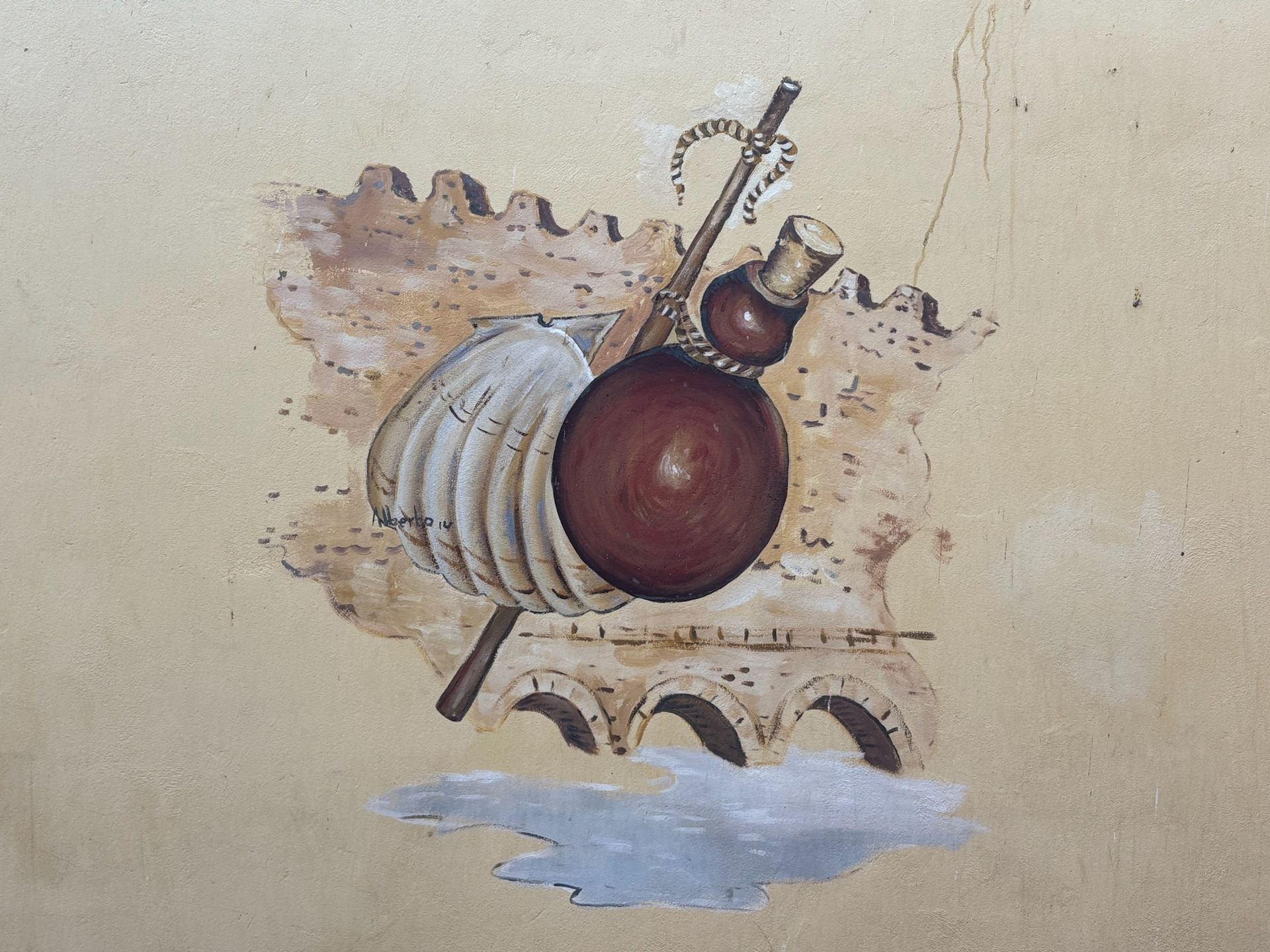
"The pelican has significance in Christian art, as the female pelican, in time of need, is said to pierce her own flesh to feed her young."
https://www.flickr.com/photos/46236149@N06/39994774593
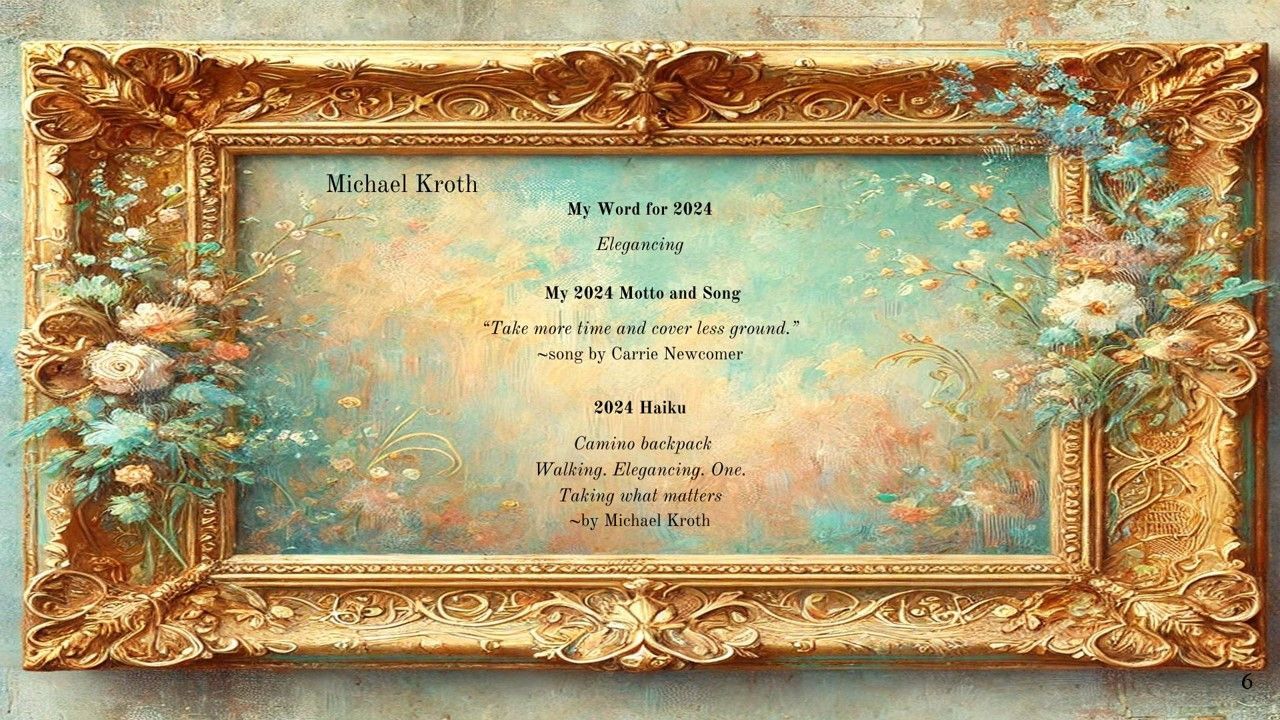
As Michael Kroth alluded and Heidi Scott and I will highlight next week, there are several essential elements, characteristics, and qualities of profound leadership that we are exploring and elaborating through our research. Our colleagues, Laura Holyoke and Leslie Hammes, play key roles in our work as well. The servant leader framework sits at the nexus of our conceptualization of the profound leader. Actually, I don't know if any of my research partners would agree, so I shouldn't so cavalierly lump them together here. More accurately, I
am most compelled by the servant leader framework. The archetype of the servant leader is the greased pig of the profound leadership framework: its concept is deceptively simple, but uniquely challenging; simple, but not easy. Servant leadership is commonly espoused -- platitudinous even -- elusive in practice, and psychologically demanding. At the state fair, catching the greased pig is a pretty straightforward idea and lots of folks give it a shot; you're gonna get dirty, though, and you'll likely fail.
One way to think about leadership situates power at the core. Power drives effective leadership, so it's important to clarify different kinds of power. Here is the most common five-part breakdown: legitimate power, reward power, referent power, expert power, and coercive power. An implication of this framework for the practice of leadership is the essential relationship between the causes and effects of power -- the source of one's power directs, guides, and forms the ways that power can be used. If you're a bully and your power is primarily coercive, your ability to lead well will be constrained.
Power for the servant leader turns everything upside-down. The identity of the servant leader is essentially humble (lowly, meek, restrained) and weak (embracing vulnerability), so the traditional sources of power are inadequate. A traditional leader-led arrangement is hierarchical and instrumental. The leader’s power and authority have obvious bureaucratic sources and are built on superficial and material foundations. A servant leader might maintain necessary elements of the traditional sources of power, but power in this framework is primarily exousia , or out-of-being. It is grounded in our center-of-being, in who we are. It is rooted in the authenticity of the person, in the sense that she or he is who she or he appears to be. Urban T. Holmes emphasizes the uncommon sensibility of servant leadership power exousia by declaring that, " . . .such authenticity comes at a high price and will not make us popular" (Spirituality for Ministry).
Servant leadership begins with the work required for such authenticity. It is simple, but not easy, and resonates with the Benedictine admonishment to keep death before your eyes daily. Living without pretense, one's thumb on the pulse of human suffering and mortality, opens doors. This hard work also guarantees that a genuine servant leader will be a rare bird. For those with the courage and fortitude to build exousia
power, our shared predicament offers new avenues for leadership and followership, primarily through the search for healing and wholeness.
Reference
Holmes, U.T. (1982). Spirituality for Ministry . San Francisco: Harper and Row.
At the state fair, catching the greased pig is a pretty straightforward idea and lots of folks give it a shot; you're gonna get dirty, though, and you'll likely fail.