
Finding Poetry
Carol Rogers-Shaw • March 18, 2020
Why do we make the choice to share or not to reveal those parts of who we are?
Curator's Note:
When Carol shared this poem with me I immediately found it deeply meaningful and important, but I didn't know much about "found poetry" and I thought you might not either, so I asked her to add what turned out to be this marvelous explanation and entree to her poem.
Finding Poetry
by Carol Rogers-Shaw
Sometimes we are cleaning out boxes in the basement or going through the things pushed to the back of the closet, and we find something special, a forgotten memento of an earlier time or a favorite earring we thought was lost. Sometimes we walk along a sandy shore or hike along a mountain trail, and we find something, a perfectly formed shell or an exquisite wild flower. Finding something old can make it new again. Finding something beautiful can remind us what to cherish. These precious discoveries we find can make us look around with new perspectives. It’s similar with found poetry.
A found poem is one that is created from an existing text. Poets take the words they find, pick and choose what words and phrases they find meaningful, move these pieces of the text around with the cadence, line breaks, and the spaces of a poem. And then they create a poem from what they’ve found. Some poets stay true to the words of the original text, and others add their own or insert their found pieces into other poems they’re writing.
In the opening of her book, Mornings Like This: Found Poems, Annie Dillard (1995) described poets of found poems “pawing through popular culture like sculptors on trash heaps. They hold and wave aloft usable artifacts and fragments: jingles and ad copy, menus and broadcasts – all objets trouvés
… by entering a found text as a poem, the poet doubles its context. The original meaning remains intact, but now it swings between two poles. The poet adds, or at any rate increases, the elements of delight” (p. ix). I’ve tried to follow in the footsteps of these treasure hunters.
The words of this found poem are taken from the Twitter thread #InvisiblyDisabledLooksLike. They are the words of individuals with invisible disabilities. As someone who has an invisible disability made visible, I have put these words together in order to share what it is like to live in an able-bodied world with a disability that is not readily apparent. We all are seen by those around us through different lenses, but I wonder about those pieces of ourselves that are hidden. How does what is visible and what is invisible play out in our lives? What do you share? What do you wish to keep invisible? Why do we make the choice to share or not to reveal those parts of who we are? What struggles do we face when we are not seen for who we are? I thought about these questions as I created a poem from the words that others had shared.
----------------------------------------------------------------------------
#InvisiblyDisabledLooksLike
Struggling
with whether or not you’re
“disabled enough”
Even you
Can’t see it
Being afraid
To tell someone –
I don’t want to
Seem Lazy
Being interrogated
Judged
You never told
Up until it happens
Being weary
of asking
for accommodations
Having to justify
Being denied
Working
Twice as hard
Suffering alone
In silence
The rest of the world
Expect[ing] you to pretend
You’re ok
Mentally gifted
With chronic depression
Anxiety disorder
Paranoia
Trying to explain
The storm inside
Suicidal
[If only]
More people
understood
Listened
with empathy
Recognized the struggle
What struggles do we face when we are not seen for who we are?
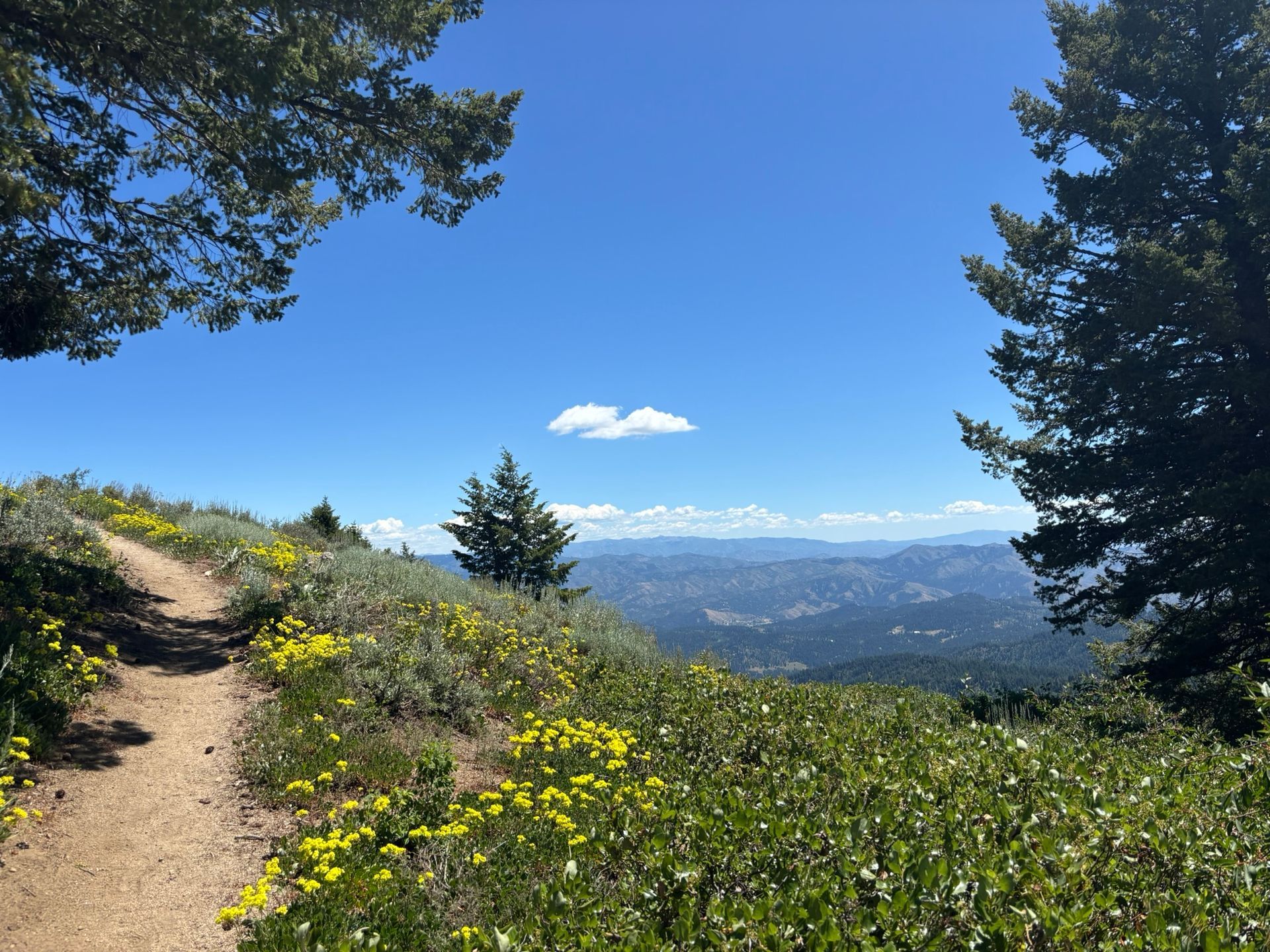
"Looking back, I realized that little patch of shade beneath the tree became much more than a resting place. It became a waypoint—a place where I had to stop, get my bearings, and face the possibility that I might not be able to keep going on my own."
If “expensive” were one of the principal attributes of what it means to be elegant then most of the world could never experience elegance. But anyone can, it turns out.
"I must conclude again that no one — at least no one I know of — has become whole. At best, they have become 'wholer.' More whole." Also, an invitation to a Messy Elegance Project conversation

What I've Learned Since Defining Elegance with the Help of Flipboard and AI Also, an invitation to a Messy Elegance Project conversation
Messy Elegance is a process, not a thing and how a workshop started this whole messy elegance idea
