Twenty Steps of Silence
A Messy Elegance Reflection
Whether or not we believe in the divine, we may find ourselves immersed in it.
Have you ever tried this silence experiment?
It’s really an inner one.
The goal is simple: to walk a short distance without thinking—without any words in your head—and just experience.
When I say short, I mean just a block. Or even a few steps.
The idea is to practice what I’ve learned is called kenosis—emptying.
Often, probably usually, we have a ton of thoughts rolling through our minds. We ruminate—what worries us, what we plan, what we regret.
You know how it goes.
With all this chatter in our heads, it becomes difficult to sense, hear, or be ready for what the world is trying to tell us.
Now, clearly there is a time and place for thinking. It’s just that too often we miss this emptying way of putting words aside in order to just be.
So typically, I don’t get twenty steps before some words intrude into my mind. If I’m not careful, those words will just keep rolling and rolling. If I’m aware of that, I can resume walking without thinking again.
For about twenty more steps.
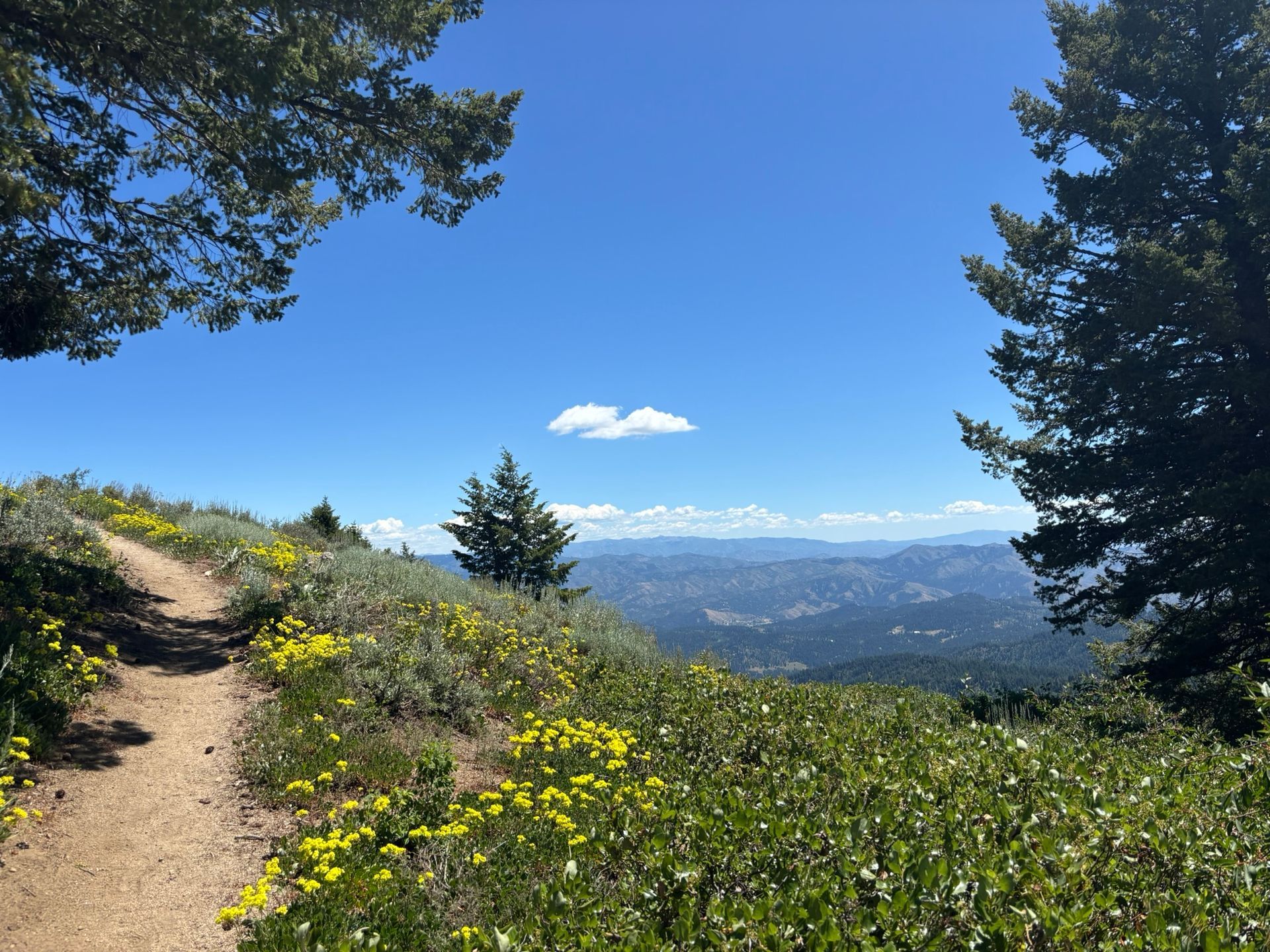
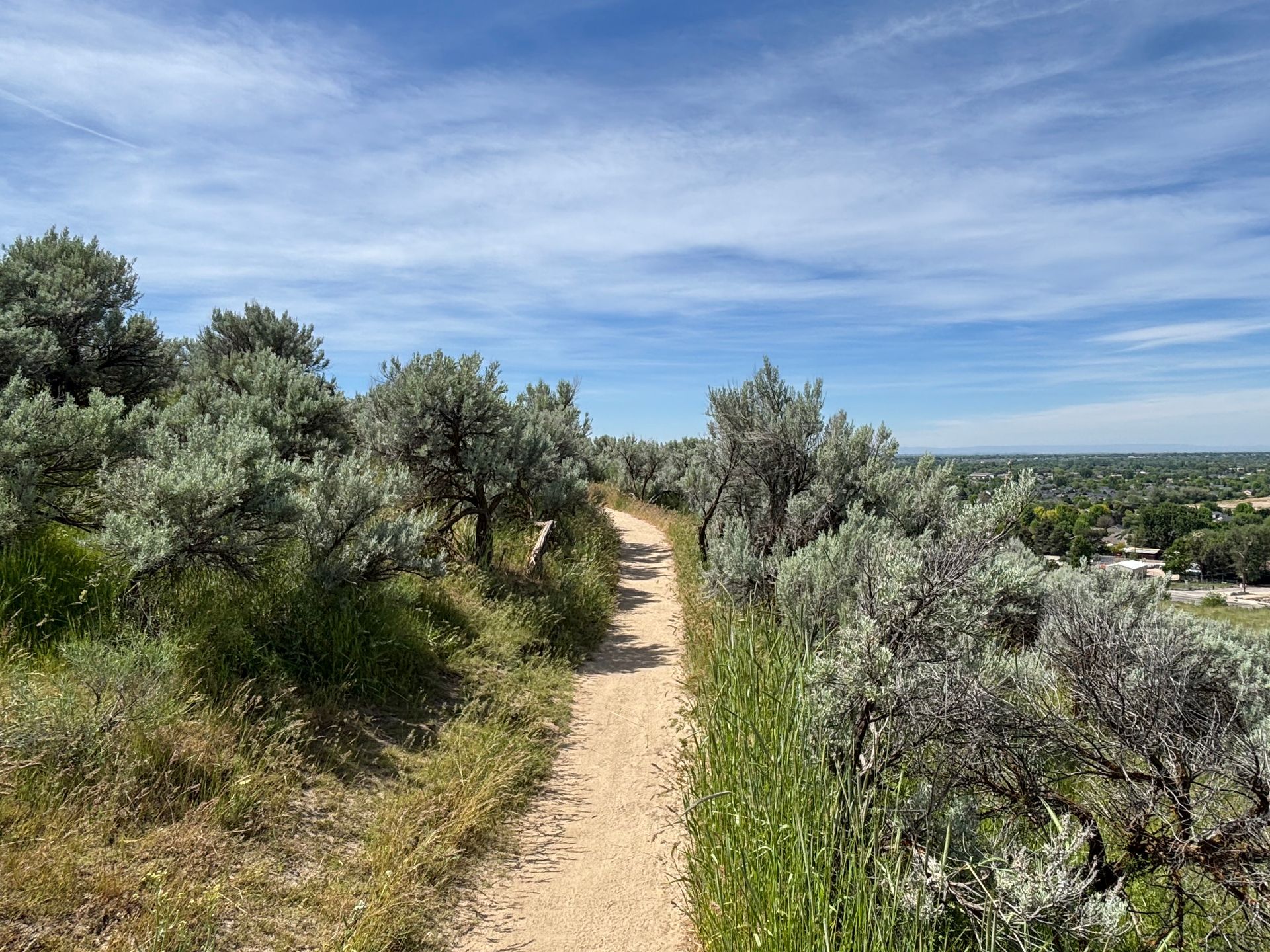
But I relish those twenty steps of peace—being attentive to the world: flowers, birds, mountains, streams, the light wind all around me. This is much, much better for me than having my Airpods in and listening to words: podcasts, music, even phone calls, unless they just can’t wait.
So what is this silence that seems so important, yet underappreciated and underpracticed?
I have run three marathons in my life. The first when I was thirty-nine, the last a couple of years later. I began running half marathons instead, but these days I generally walk the Race to Robie, a half marathon, every year. My knees and body thank me for that.
Training for a half is much more civilized than for a full, but it still involves running or walking for hours on end, often by yourself.
I remember when I first started getting ready for these, people would ask me:
“Don’t you get bored just talking to yourself going all those miles for hours and hours?”
And it’s a good question. But I remember answering—cleverly, I thought:
“Why should I be bored? I find myself a very interesting person!”
Over the years, however, I’ve realized that I’m not all that interesting.
What’s really going on is that I’m interested.
I pay more attention these days to all around me that is fascinating. When we are quiet enough, we begin to experience something deeper. And whether or not we believe in the divine, we may find ourselves immersed in it. Beneath the busy lives we lead, there is a peaceful calm—a slowing, a depth-that-calls-to-depth (Psalm 42:7).
I’ve come to think of silence as what remains when noise falls away—especially the noise we create through words, activity, and the steady hum of our lives. Divine silence, on the other hand, is not simply the absence of sound. It is the experience of being immersed in something larger than ourselves—when, in the quiet of our minds, we sense not only our own presence, but the presence of something more.
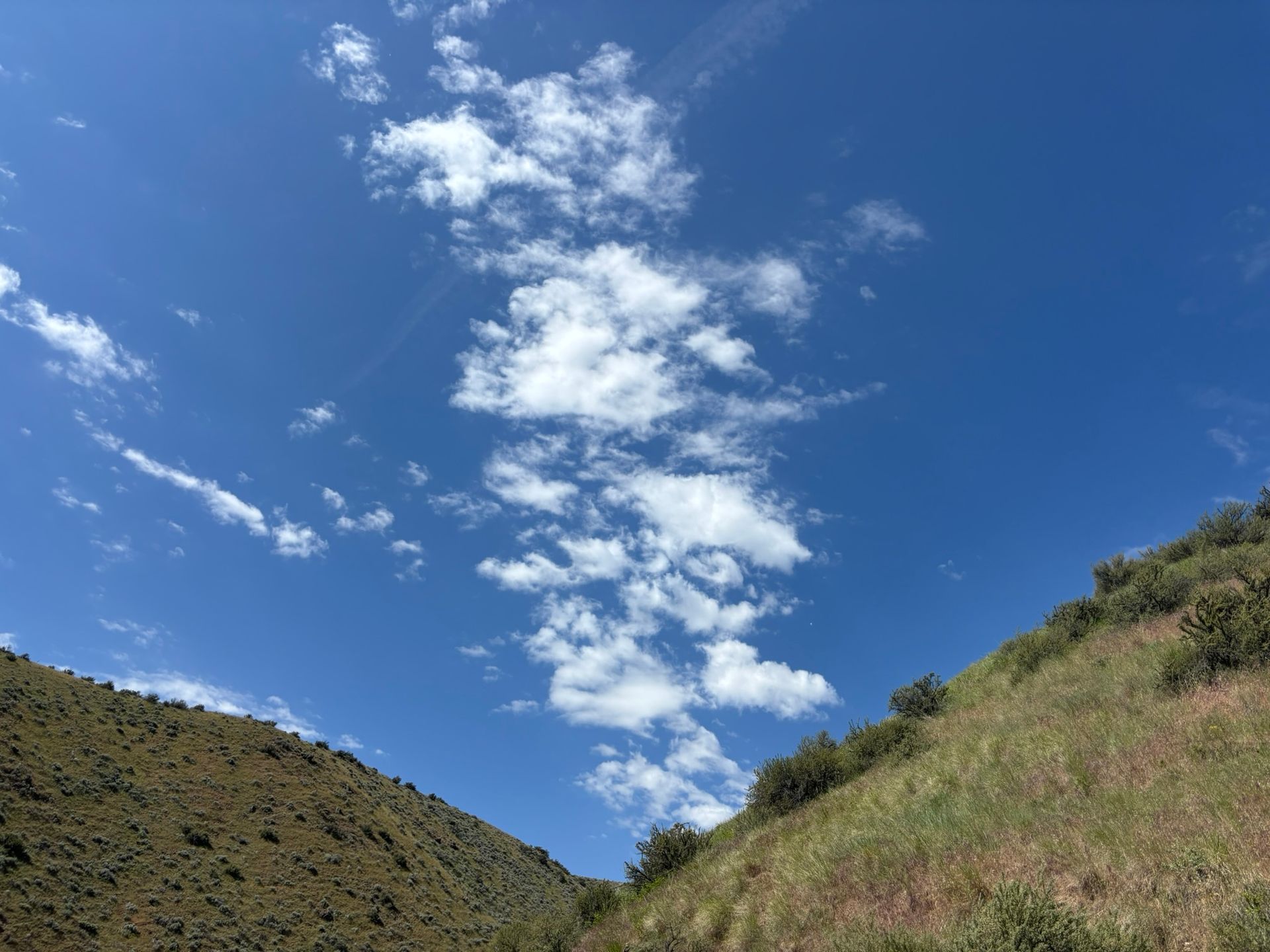
We can find this divine silence on the meditation cushion, walking on the trail, snuggling with our puppy, watching the clouds on a summer day. A person who has developed inner peace might be surrounded by cacophony and yet carry inner silence at the same time.
I like the way Br. David Steindl-Rast talks about God singing:
“In everything we experience we can hear God singing, if we listen attentively.”
He also writes:
“Silence too, in this sense, is not the absence of word or sound. It is not characterized by absence but by presence—a presence too great for words.”
Perhaps that is why music—so full of sound, of joy and tragedy and majesty, discord and harmony—can call out this presence, drench us in it, lead us into this divine silence. Martin Laird writes in Into the Silent Land:
“We are built for contemplation,” and . . .
“This joy that is silent is already within us. Its discovery is precious beyond compare.”
We are built to experience divine silence.
And it doesn’t have to occur in a church or religious setting—or even within religion itself. We don’t even have to call it “divine” silence, just that silence that makes us feel we are connected beyond ourselves.
Edward Abbey describes his first morning at Arches National Park:
“The sun is not yet in sight, but signs of the advent are plain to see. Lavender clouds sail like a fleet of ships across the pale green dawn; each cloud, planed flat on the wind, has a base of fiery gold. Southeast, twenty miles by line of sight, stand the peaks of the Sierra La Sal, twelve to thirteen thousand feet above sea level, all covered with snow and rosy in the morning sunlight. The air is dry and clear as well as cold; the last fogbanks left over from last night’s storm are scudding away like ghosts, fading into nothing before the wind and the sunrise.”
Call it presence, call it awe, call it flat-out amazing, or just brimming full of be-ing. Experiencing that which is infinity bigger than anything we could drum up in our imagination fits what I’ve been calling divine silence. Call it what you will, wouldn’t you have liked to be sitting there with Edward that morning?
So the truth is this: While we think and communicate in words, silence is the default.
As Max Picard said:
“Speech cannot exist without silence.”
The silence after the music stops.
The silence before the curtain goes up.
There is something almost visceral in this quiet.
This silence is available to everyone. Regardless of age, education, religious denomination, or belief system.
I’ll finish with one of my favorite quotations about silence.
It’s often attributed to Rumi, though it can’t be found directly in his writings:
“Silence is the language of God, all else is poor translation.”
So if silence is God’s language—and if, as David Steindl-Rast suggests, God is singing through all of nature—
then we have a lot to listen for.
Silence doesn’t have to be something we understand.
Better, it can be something we do.
Maybe it’s time for you to conduct your own experiment.
Just walk ten steps.
Without words.
Then see if you can walk twenty.
Then more.
And see what happens.
A Question for You
What might you notice if you walked just ten steps today without words, either spoken or in your mind? Or try it, "What did you find?
The best way to leave a comment and to become part of the conversation is to hop over to my Substack, Profound Living with Michael Kroth, where it will be easy to add to and comment on this and future essays.
Here's the link:
Profound Living with Michael Kroth
I'd love to hear your thoughts, experiences, and ideas about this essay or messy elegance.
Notes
Abbey, E. (2011). Desert Solitaire: A Season in the Wilderness (Electronic ed.). RosettaBooks.
Sarton, M. (1977).The House by the Sea: A Journal(Kindle ed.). Open Road Media.
Steindl-Rast, D. (2016).The Way of Silence: Engaging the Sacred in Daily Life. Franciscan Media.
Laird, M. (2006). Into the Silent Land: A Guide to the Christian Practice of Contemplation. Oxford University Press.
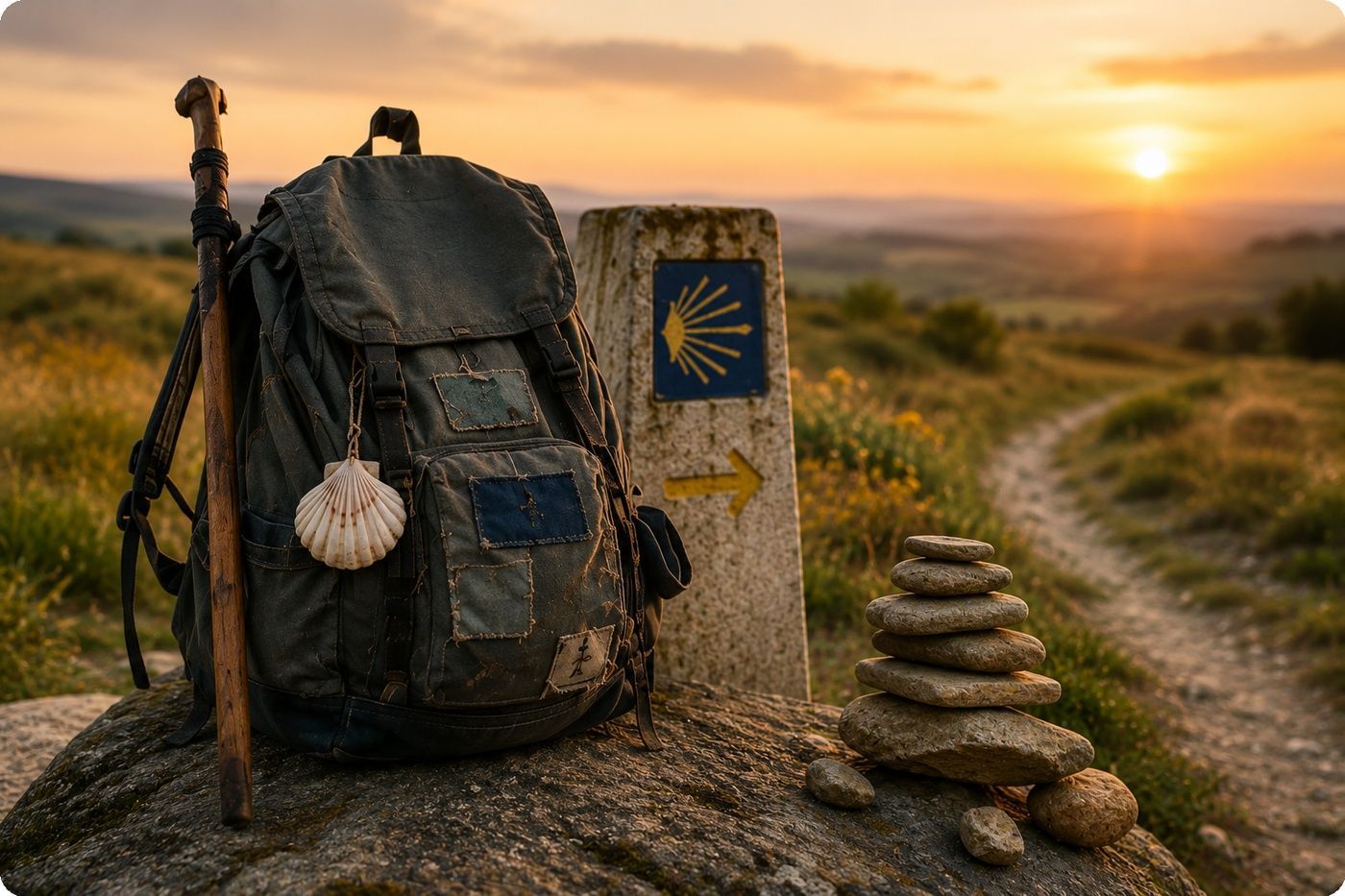
Image created with AI assistance (ChatGPT / DALL·E), 2026.
I often think through these essays in conversation with ChatGPT. It helps me explore ideas, test structure, and refine language—much like writers have long done with editors, colleagues, and friends. The reflections and final words remain my own. If you respond, you become part of that ongoing conversation.
Over the years, however, I’ve realized that I’m not all that interesting.
What’s really going on is that I’m interested.